Last Updated: October 18, 2026
Ear infections affect many children each year, and parents often seek natural ways to ease their child’s discomfort while supporting healing. At Clarendon Chiropractic, we understand that parents want to explore all available options, including natural alternatives to medication, before deciding on the best path forward for their child’s health. This guide covers 7 natural alternatives to medication for childhood ear infections, helping you understand what approaches may complement professional care.
When a child develops an ear infection, the inflammation and fluid buildup create pain and discomfort. While antibiotics are sometimes necessary, many parents want to know what natural relief strategies exist. According to Cleveland Clinic’s home remedies guide, several comfort measures can help ease symptoms while the body works to resolve the infection.
Natural alternatives to medication for childhood ear infections range from simple comfort measures to herbal remedies. Some families combine these approaches with professional care from a pediatrician or integrative healthcare provider. Others use them as initial comfort strategies while monitoring whether symptoms improve or worsen. Understanding your options helps you to make informed decisions about your child’s care.
Applying gentle warmth to the affected ear is one of the most accessible natural alternatives to medication for childhood ear infections. A warm compress can help reduce pain and promote comfort while your child rests. The warmth increases blood flow to the area and may help ease muscle tension around the ear.
To use this approach, soak a clean cloth in warm (not hot) water and gently hold it against the outer ear for 10-15 minutes. Many parents find this works best when their child is resting or sleeping. You can repeat this several times throughout the day as needed. Some families use a heating pad on the lowest setting, always keeping a cloth between the pad and skin to prevent burns.
Research from HealthPartners’ ear infection treatment guide confirms that warm compresses are a common comfort measure for ear infection symptoms. The warmth itself doesn’t treat the underlying infection, but it can significantly reduce discomfort while the body’s immune system works.
Herbal remedies have been used in traditional medicine for generations to support ear health. Garlic-mullein oil is one of the most commonly discussed natural alternatives to medication for childhood ear infections. Garlic contains compounds that some believe support the body’s natural defenses, while mullein is a traditional herb used in various cultures for respiratory and ear wellness.
These herbal ear drops are typically applied by placing a few drops in the ear canal. However, this approach requires caution: never use ear drops if the eardrum is perforated, and always consult with your child’s healthcare provider before applying anything directly into the ear. Age matters too, some preparations are not suitable for very young children.
According to Aviva Romm’s natural remedies resource, garlic-mullein preparations are among the herbal approaches parents research for ear infections. A research record on PubMed’s naturopathic treatment study documents a comparison of herbal extract ear drops with anesthetic drops in children, showing that some families explore this option alongside conventional care.
The important distinction: herbal drops may provide comfort, but they do not treat a bacterial or viral infection. They complement other care strategies rather than replace medical evaluation.
What your child eats and drinks plays a role in supporting overall immune function during an ear infection. Proper hydration helps the body fight infection and maintain healthy mucous membranes in the ear, nose, and throat. Adequate water intake also helps thin secretions that may be contributing to fluid buildup in the middle ear.
Encourage your child to drink water throughout the day. For younger children, offer frequent small amounts. Some families find that warm liquids, like broth or herbal tea, are especially soothing and easier for a child to accept when they’re feeling unwell.
Nutritional support matters too. Foods rich in vitamin C, zinc, and omega-3 fatty acids support immune function. These include citrus fruits, berries, nuts, seeds, and fish. While good nutrition alone doesn’t cure an ear infection, it ensures your child’s body has the resources it needs to mount an effective immune response.
Rest is one of the most underrated natural alternatives to medication for childhood ear infections. When a child is fighting an infection, their body directs energy toward healing. Sleep and quiet activities support this process.
Create a calm, restful environment. Reduce noise and bright lights, which can worsen discomfort. Allow your child extra sleep or quiet time during the day. Many children with ear infections feel more comfortable when they can rest without pressure on the affected ear, sitting upright or sleeping on the unaffected side reduces pressure in the middle ear.
Gentle activities work better than vigorous play during recovery. Avoid swimming or getting water in the ears until the infection has fully resolved. If your child attends school or daycare, consider keeping them home for a day or two to rest and prevent spreading any contagious element to other children.
Recovery time varies. Some children improve within a few days; others take a week or longer. Monitoring your child’s progress helps you determine whether natural approaches are working or whether professional evaluation is needed.
How your child positions their body directly affects ear pressure and comfort during an infection. Proper positioning is a simple yet effective natural alternative to medication for childhood ear infections, especially for pain management.
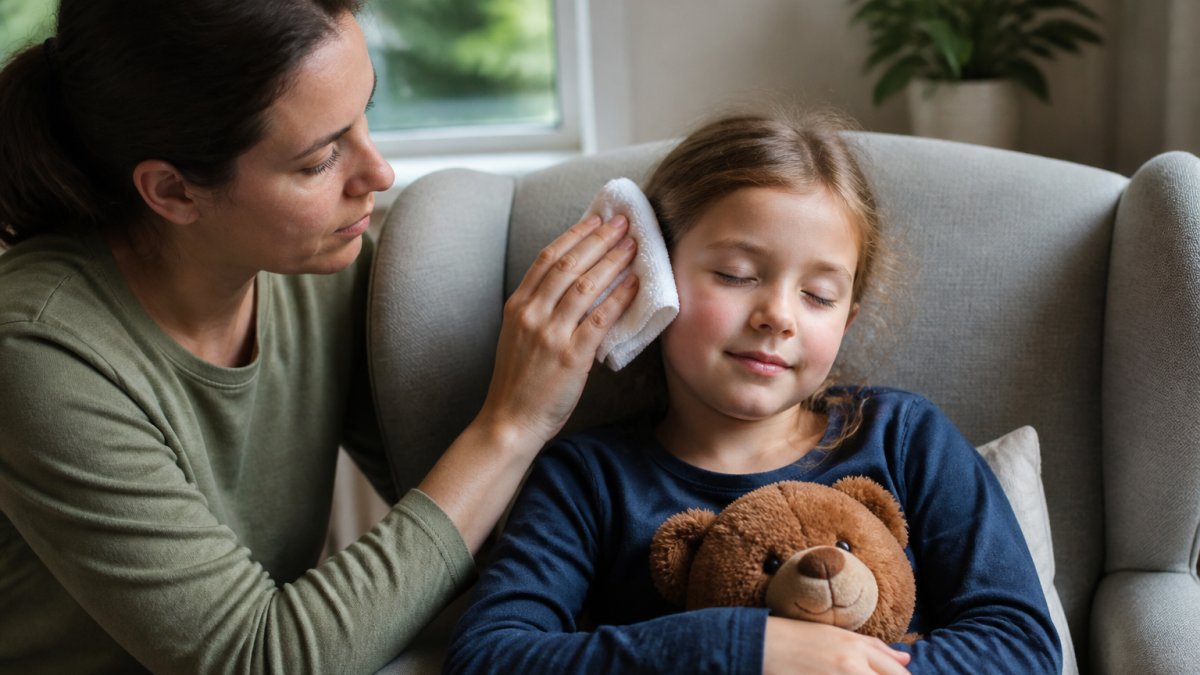
Encourage your child to sleep with the affected ear elevated on a pillow. This positioning helps drain fluid from the middle ear and reduces pressure.
Sitting upright while eating or playing also helps reduce ear pressure. Some families find that holding their child in an upright position during feeding (for infants) or having older children sit at a table during meals helps with comfort. Lying flat often makes ear pressure worse.
Over-the-counter pain relief (acetaminophen or ibuprofen, age-appropriate) can be used alongside these positioning strategies. The combination of proper positioning, warmth, and pain management creates a comprehensive comfort approach while supporting natural healing.
Knowing when to seek professional evaluation is crucial. Natural alternatives to medication for childhood ear infections work best when combined with appropriate medical oversight. Some symptoms require immediate professional attention.
Contact your child’s pediatrician if:
According to CDC guidance on ear infections, professional evaluation helps determine whether antibiotics are necessary and rules out more serious conditions. Some ear infections are caused by bacteria that require antibiotic treatment; others are viral and resolve on their own. Only a healthcare provider can make this distinction through examination.
Integrative practitioners like those at Clarendon Chiropractic can work alongside your pediatrician to support your child’s overall health and nervous system function during recovery, addressing underlying factors that may contribute to recurrent infections.
Antibiotics are sometimes necessary for childhood ear infections, particularly when bacteria are identified as the cause. Understanding when antibiotics are appropriate helps you make informed decisions about your child’s care.
Not all ear infections require antibiotics. Many are viral and resolve on their own within a few days. However, bacterial infections typically need antibiotic treatment to prevent complications and speed recovery.
If antibiotics are prescribed, take the full course as directed, even if your child feels better before the medication is finished.
Some families wonder whether natural alternatives and antibiotics can work together. The answer is yes.
The goal is always your child’s health and comfort. Whether that involves natural alternatives alone, antibiotics, or a combination approach depends on your child’s specific situation and your healthcare provider’s recommendations.
| Natural Alternative | Best For | How It Works | When to Use |
|---|---|---|---|
| Warm compresses | Pain and discomfort relief | Increases blood flow, reduces muscle tension | Multiple times daily during waking hours |
| Herbal ear drops | Traditional support (with provider approval) | Traditional antimicrobial and soothing properties | As directed by provider; not for perforated eardrums |
| Hydration and nutrition | Supporting immune function | Provides resources for body’s healing response | Throughout the day, every day |
| Rest and recovery | Allowing body to heal | Directs energy toward fighting infection | During acute phase and recovery |
| Proper positioning | Reducing ear pressure and pain | Helps drain fluid, reduces pressure buildup | During sleep and rest periods |
Natural alternatives to medication for childhood ear infections offer parents evidence-based comfort strategies. Warm compresses, proper hydration, rest, and positioning all support your child’s comfort while their body works to resolve the infection.
At Clarendon Chiropractic, we support families in Westmont and surrounding DuPage County who want a comprehensive, integrative approach to their child’s health. Dr.
When your child experiences an ear infection, start with natural comfort measures and professional evaluation. If you’re interested in exploring how chiropractic care and functional medicine might support your child’s long-term ear health and immune function, contact Clarendon Chiropractic for a complimentary consultation to discuss your child’s specific situation with Dr.
Many mild to moderate ear infections resolve on their own within a few days to a week as the body’s immune system clears the infection. According to the CDC, some ear infections improve with symptom management alone. However, the type and severity of the infection matter significantly. A healthcare professional should evaluate your child to determine whether antibiotics are necessary or if natural alternatives and home care are appropriate for their specific situation.
Effective home remedies include warm compresses applied to the affected ear, ensuring adequate hydration, elevating the head while resting, and maintaining good nutrition to support immune function. Cleveland Clinic and HealthPartners both recommend these comfort measures. Garlic-mullein oil drops have been used traditionally, though effectiveness varies. Always consult your child’s doctor before using any remedy, especially if your child has tubes in their ears or a perforated eardrum, as some approaches may not be appropriate.
Seek medical attention if your child has severe ear pain, fever above 102°F lasting more than 48 hours, discharge from the ear, hearing loss, balance problems, or symptoms that worsen despite home care. Very young children (under 6 months) with any signs of ear infection need prompt evaluation. If symptoms persist beyond 3 days or your child appears very uncomfortable, contact your pediatrician. Early assessment helps determine the infection type and whether natural alternatives or antibiotics are appropriate.
Chiropractic care, particularly integrative approaches combining spinal adjustments with functional medicine, may support overall nervous system health and drainage patterns. However, chiropractic care is not a direct treatment for the infection itself. It works best as part of a comprehensive approach alongside medical evaluation and home care, not as a replacement for necessary medical treatment.
No. Many ear infections resolve without antibiotics, particularly viral infections or mild bacterial infections. The American Academy of Pediatrics recommends a ‘watchful waiting’ approach for some children, focusing on pain management and monitoring rather than immediate antibiotics. Overuse of antibiotics can contribute to antibiotic resistance. Your child’s doctor will determine whether antibiotics are needed based on the infection type, your child’s age, symptom severity, and other health factors. Natural alternatives and home care often play an important role in recovery.


