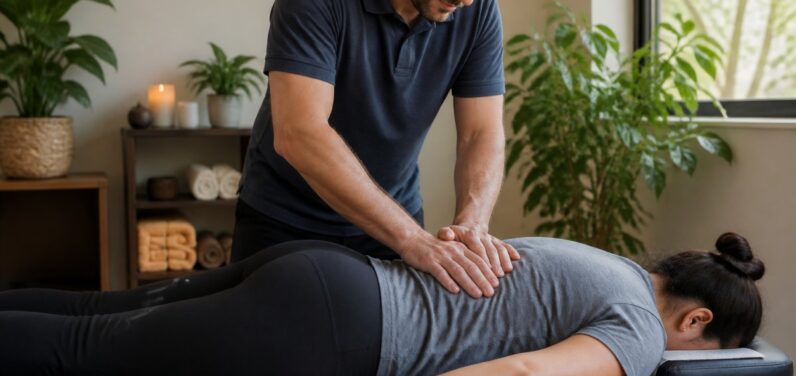
Last Updated: October 9, 2026
Chronic pain affects millions of Americans, and many are searching for alternatives to medication for chronic pain relief. According to the National Center for Complementary and Integrative Health, a growing number of people are exploring non-drug approaches to manage persistent pain.
At Clarendon Chiropractic in Westmont, Illinois, we see this shift firsthand. Patients walk in tired of prescriptions that mask symptoms without addressing root causes. They want options that help their bodies heal naturally.
The good news: several evidence-informed approaches exist. The challenge is knowing which ones work, which are accessible, and how to combine them effectively. Below, we break down the main non-drug treatments for chronic pain, compare their effectiveness, and show you how to build a plan that fits your life.
Non-drug treatments for chronic pain include physical therapy, acupuncture, mindfulness practices, chiropractic care, and behavioral therapies. Each approach works differently, and the best choice depends on your pain type, lifestyle, and goals.
The American Society of Regional Anesthesia and Pain Medicine lists physical therapy, guided meditation, acupuncture, massage therapy, and aqua therapy among recognized non-pharmacologic options. The VA Whole Health Library adds spinal manipulation, exercise, and nutrition to that list.
Here’s what most guides miss: these treatments aren’t competing alternatives. They’re complementary tools. A person with chronic low back pain might benefit from physical therapy for strength, acupuncture for pain modulation, and mindfulness for stress reduction, all at once.
| Treatment | Best For | Accessibility | Typical Format |
|---|---|---|---|
| Physical therapy | Building strength, mobility | Widely available | Clinic visits, home exercises |
| Acupuncture | Pain modulation | Moderate availability | Practitioner sessions |
| Mindfulness/Meditation | Stress-related pain | Highly accessible | Apps, classes, self-practice |
| Chiropractic care | Spinal alignment, nervous system | Widely available | Office visits |
| CBT | Pain coping skills | Moderate availability | Therapy sessions |
| Tai chi/Aqua therapy | Gentle movement, joint support | Varies by area | Group classes |
Chronic pain physical therapy focuses on rebuilding strength, improving flexibility, and restoring function. It’s one of the most widely recommended non-drug approaches for conditions like back pain, arthritis, and sports injuries.
A typical plan starts with an assessment. Your therapist identifies weak areas, movement restrictions, and pain triggers. From there, they design exercises that gradually increase in difficulty.
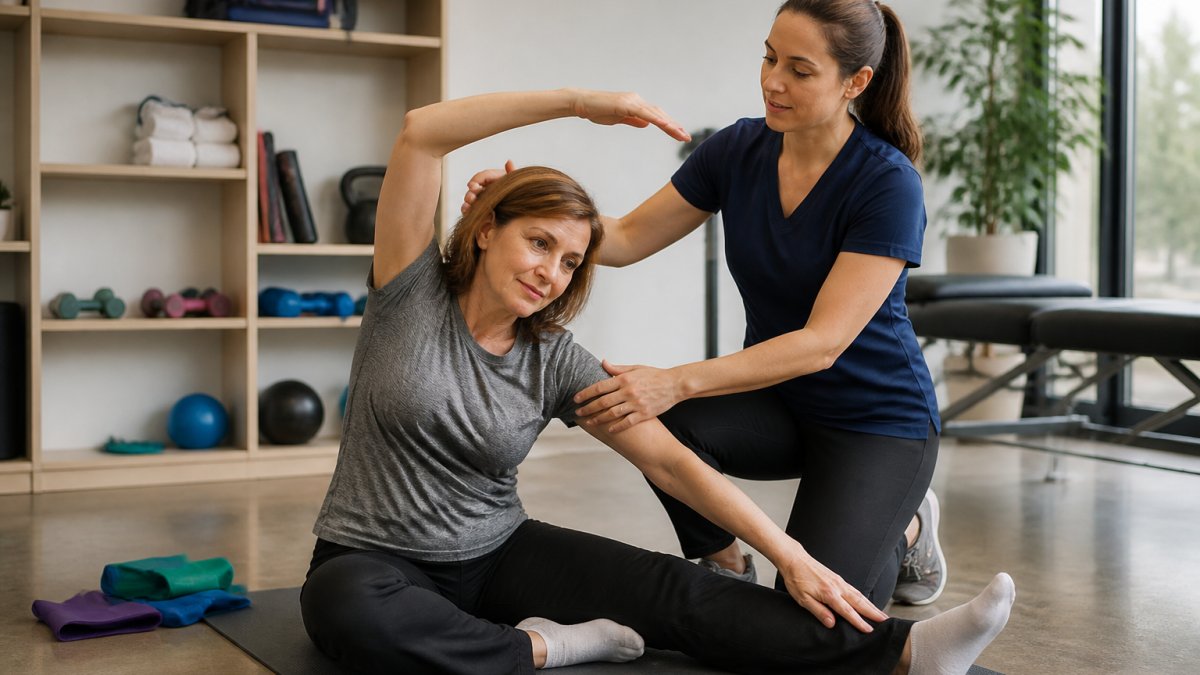
The goal isn’t just pain reduction. It’s building a body that can handle daily demands without flare-ups.
Mindfulness for chronic pain works by changing how your brain processes pain signals. Research cited by the UCLA Health includes cognitive behavioral therapy and mind-body approaches among alternative treatments worth exploring.
The mechanism is straightforward. Chronic pain often involves a sensitized nervous system. Stress, anxiety, and poor sleep amplify pain signals. Mindfulness practices interrupt that cycle.
Guided meditation, breathing exercises, and body scans are common entry points. Many people start with free apps and short sessions, building up over time. The MedlinePlus non-drug pain management guide notes that biofeedback, a related technique, may help people control pain.
What makes mindfulness accessible is its flexibility. You can practice at home, during commutes, or before bed. No equipment required.
Acupuncture for chronic pain involves inserting thin needles at specific points on the body. The National Center for Complementary and Integrative Health recognizes it as a complementary approach for conditions including back pain, neck pain, and osteoarthritis. Beyond these traditional needle-based techniques, patients often explore various natural joint pain remedies to manage persistent inflammation and improve overall mobility.
Sessions typically last 30 to 60 minutes. Most people need a series of treatments rather than a single visit. The experience varies: some feel immediate relief, others notice gradual changes over weeks.
Is it right for everyone? No. Needle sensitivity, bleeding disorders, and certain medications can make acupuncture less suitable. A qualified practitioner can assess your situation.
The bigger issue is access. Not every community has licensed acupuncturists, and insurance coverage varies. For patients in the Westmont area, we often discuss acupuncture as part of a broader plan rather than a standalone solution.
Hands-on and movement-based therapies round out the non-drug toolkit. These approaches address physical restrictions, improve circulation, and help restore normal movement patterns.
Chiropractic care focuses on spinal alignment and nervous system function. The VA Whole Health Library lists spinal manipulation among non-drug approaches to chronic pain. At Clarendon Chiropractic, we combine adjustments with functional medicine to address root causes, not just symptoms.
Massage therapy releases muscle tension and improves blood flow. It’s particularly helpful for pain related to muscle guarding and stress.
Tai chi offers gentle, flowing movements that improve balance and reduce stiffness. A review indexed by the National Library of Medicine discusses tai chi alongside acupuncture and osteopathic manipulation as alternative therapies.
Aqua therapy uses water’s buoyancy to reduce joint stress during exercise. It’s a strong option for people who find land-based exercise painful.
Biofeedback teaches you to control bodily functions like heart rate and muscle tension. CBT helps you reframe thoughts that worsen pain. Both are non-drug approaches that can be used alongside physical treatments.
Building a plan starts with understanding your pain. Is it primarily muscular? Joint-related? Nerve-based? The answer shapes which treatments make sense.
Next, assess your access. What’s available near you? What can you realistically commit to? A treatment you can’t attend regularly won’t help.
Then, layer approaches. Most successful plans combine:
Track your response over four to six weeks. If something isn’t helping, adjust. If something works, stick with it.
For patients in DuPage County, we offer complimentary consultations to map out a personalized plan. We look at your health history, run advanced diagnostics like COREscore neurological testing, and recommend a combination that fits your goals.
Chronic pain rarely resolves with a single intervention. The people who see lasting chronic pain relief are the ones who combine approaches, stay consistent, and address root causes rather than chasing symptom relief alone.
If you’re in the Westmont area and want a plan built around your specific situation, Clarendon Chiropractic can help. We combine chiropractic care with functional medicine, use advanced diagnostics to guide treatment, and provide lifestyle guidance on nutrition and exercise. Our family-centered approach serves patients of all ages throughout DuPage County.
Get started with Clarendon Chiropractic and take the first step toward natural, long-term wellness.
Non-drug options include physical therapy, acupuncture, mindfulness and guided meditation, cognitive behavioral therapy, massage, tai chi, aqua therapy, biofeedback, and spinal manipulation. These approaches are often used together rather than alone. The American Society of Regional Anesthesia and Pain Medicine lists several of these as non-pharmacologic treatment options, and MedlinePlus covers biofeedback as a method that may help with pain control. A qualified healthcare professional can help you decide which combination suits your situation.
Many people manage chronic pain with a mix of non-drug approaches, though results vary by condition and individual. Physical therapy, mindfulness, and acupuncture are among the options discussed by U.S. health sources such as the National Center for Complementary and Integrative Health and the VA Whole Health Library. Some people still need medication alongside these methods. Talk with your doctor before making changes to any prescribed treatment plan.
Mindfulness and guided meditation are listed among non-pharmacologic treatment options for chronic pain by the American Society of Regional Anesthesia and Pain Medicine. These practices aim to change how you relate to pain rather than remove it entirely. Many people use them alongside physical therapy or other approaches. Consistency matters more than session length, so short daily practice is often more useful than occasional long sessions.
Do not stop or change prescribed medication on your own. Non-drug approaches can be added alongside your current plan, and your doctor can help you adjust safely if your needs change. Abruptly stopping some medications can cause withdrawal or other problems. Bring a list of the alternative treatments you want to try to your next appointment so your care team can help you coordinate them.
Start by talking with a healthcare professional about your specific condition and goals. A practical plan often combines two or three approaches, such as chronic pain physical therapy plus mindfulness, and tracks how you respond over several weeks. Include gentle movement, stress management, and sleep habits. Reassess regularly with your provider and adjust as needed rather than expecting one method to work on its own.
This article is for general information only and is not a substitute for professional medical advice. Always consult a qualified healthcare provider about your individual health needs.


